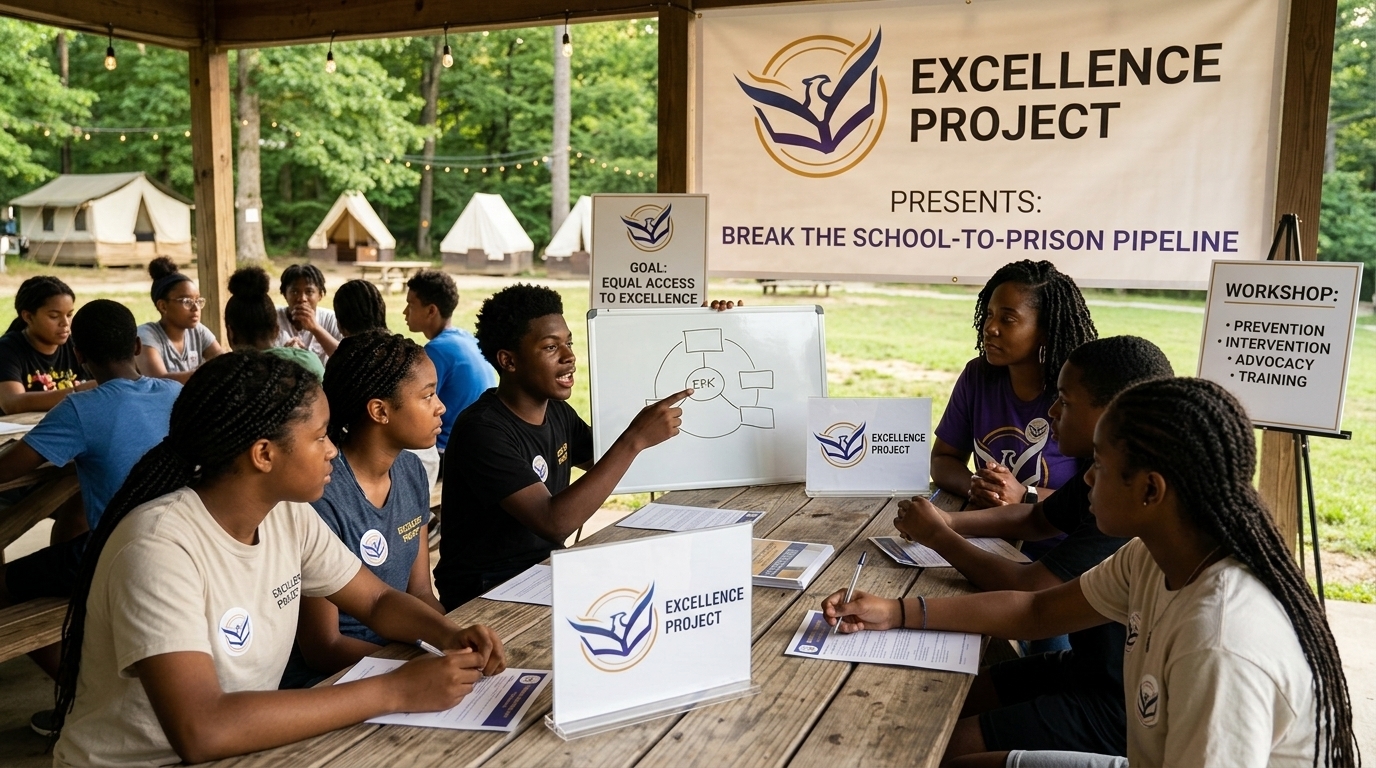


What Is the School to Prison Pipeline?
The School to Prison Pipeline refers to a disturbing trend in which disciplinary policies in schools push students—especially vulnerable youth—out of classrooms and into the juvenile or criminal justice system. Instead of addressing behavioral challenges through counseling, guidance, and supportive interventions, many schools rely heavily on suspensions, expulsions, and law enforcement involvement. These actions increase the risk that students will disengage from education and eventually enter the justice system.
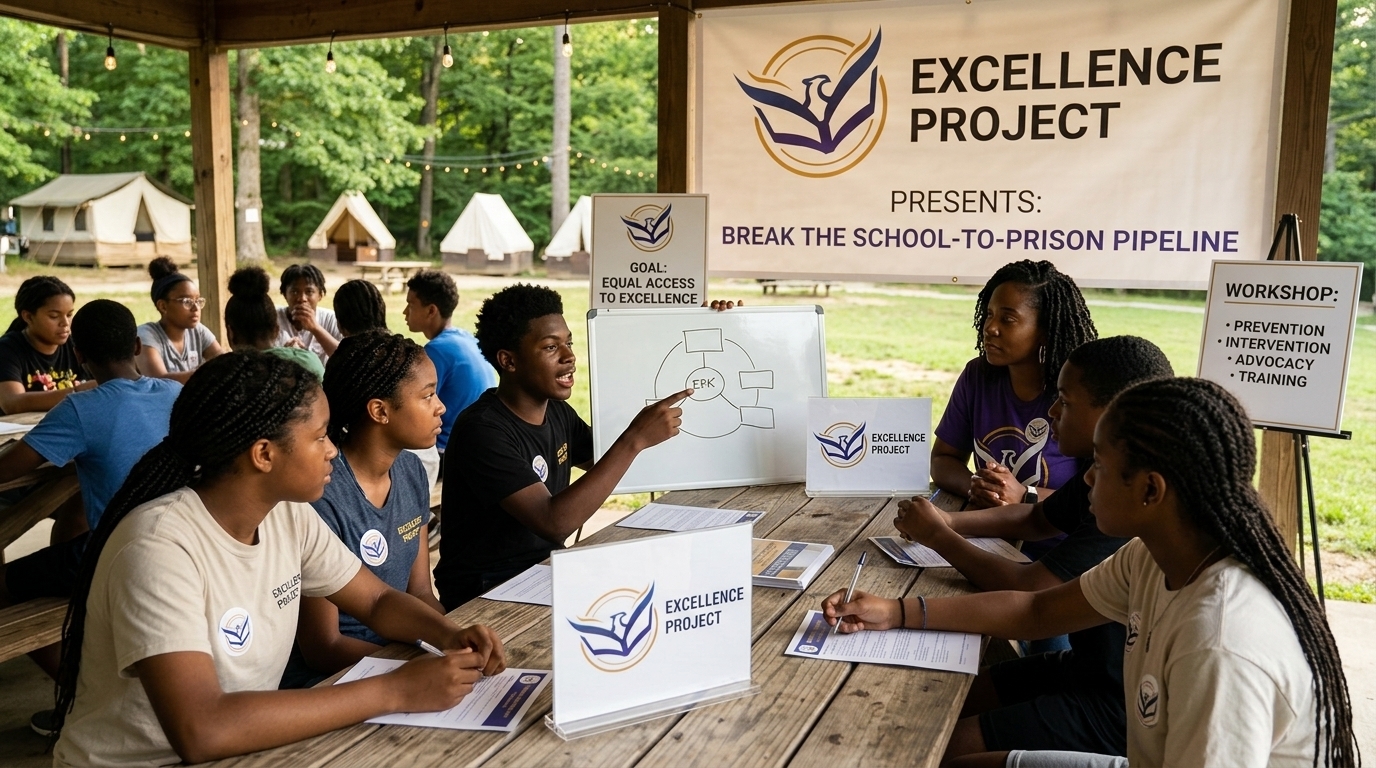 The School to Prison Pipeline has become a growing concern for educators, parents, and policymakers because it disproportionately affects marginalized communities. Harsh disciplinary practices, lack of support services, and systemic inequalities contribute to a cycle that can alter the trajectory of a young person’s life.
Organizations like Excellence Project work to raise awareness about this issue and advocate for fair educational practices that protect students’ futures.
Key Causes of the School to Prison Pipeline
Several factors contribute to the development and persistence of the School to Prison Pipeline. Understanding these causes is essential for creating effective solutions.
1. Zero-Tolerance Policies
Zero-tolerance disciplinary policies require strict punishments for certain behaviors regardless of the context. These policies often result in suspensions or expulsions for relatively minor infractions, such as dress code violations or classroom disruptions. Once students are removed from school repeatedly, they are more likely to fall behind academically and disengage from education entirely.
2. Increased Police Presence in Schools
Many schools have adopted the use of school resource officers or local police to handle disciplinary issues. While safety is important, involving law enforcement in routine school discipline can escalate situations that might otherwise be handled by teachers or counselors. This practice increases the likelihood that students will face legal consequences for typical adolescent behavior.
3. Lack of Support Systems
Students dealing with trauma, learning difficulties, or behavioral challenges often need counseling and educational support. Without proper resources, schools may resort to disciplinary measures instead of addressing the root causes of the behavior.
In situations where disciplinary actions escalate into legal matters, families may benefit from consulting a student rights lawyer to ensure the student’s educational and legal rights are protected.
The Impact on Students and Communities
The consequences of the School to Prison Pipeline extend far beyond the classroom. Students who are frequently suspended or expelled often experience long-term academic setbacks, decreased graduation rates, and limited career opportunities.
Additionally, involvement with the juvenile justice system can have lasting effects on a young person’s record and future prospects. These outcomes not only affect individual students but also impact families and communities by perpetuating cycles of inequality.
Parents and guardians should be aware that students have legal protections in disciplinary cases. When a school’s actions appear excessive or discriminatory, seeking guidance from a student rights lawyer can help ensure fair treatment and due process.
Strategies to Break the School to Prison Pipeline
Addressing the School to Prison Pipeline requires systemic changes and collaborative efforts among educators, policymakers, and communities. Some effective strategies include:
- Restorative Justice Programs: Encouraging dialogue and accountability rather than punishment.
- Positive Behavioral Interventions: Supporting students through counseling and mentorship.
- Teacher Training: Equipping educators to handle behavioral issues constructively.
- Community Partnerships: Working with advocacy groups and organizations focused on student success.
Educational advocacy groups such as Excellence Project play a vital role in promoting equitable disciplinary practices and supporting initiatives that keep students engaged in learning.
Conclusion: Protecting Student Futures
The School to Prison Pipeline is a complex issue that requires awareness, advocacy, and action. By replacing punitive disciplinary systems with supportive educational practices, schools can create environments where students thrive rather than being pushed toward the justice system.
Parents and educators must also understand the legal protections available to students. If disciplinary actions become severe or unfair, consulting a student rights lawyer may help safeguard a child’s educational opportunities and future.
Organizations like Excellence Project are committed to advancing student rights and promoting fair policies in schools. To learn more about their mission and initiatives aimed at ending the School to Prison Pipeline, visit our website and explore how advocacy and community action can make a lasting difference.